February 5, 2026 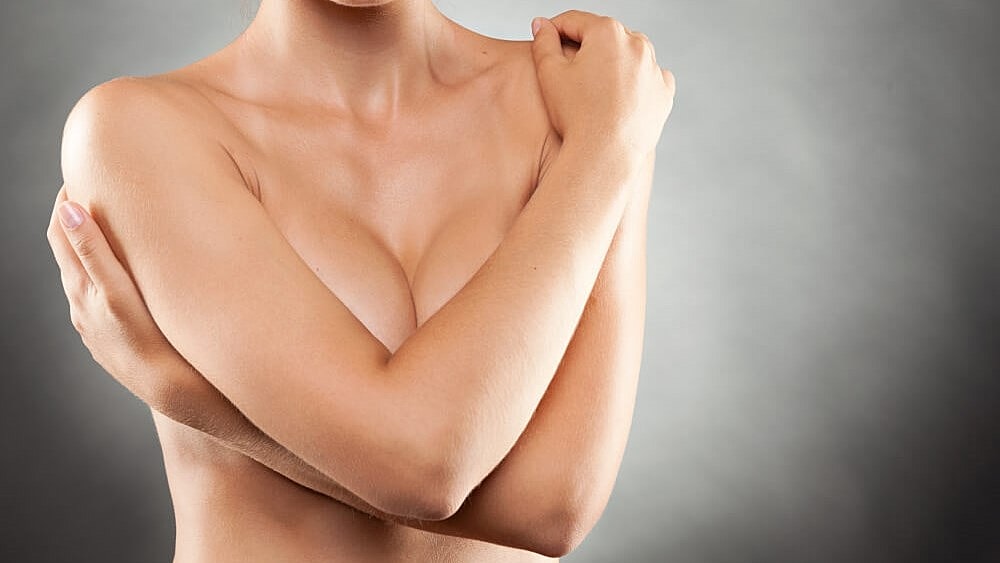
We often think of physical changes as sudden events. You spot a grey hair; you see a wrinkle. But breast ptosis happens differently. It's a slow, silent shift. Gravity is constant, and over time, the Cooper’s ligaments that hold breast tissue in place begin to stretch.
For many women, the realization doesn't happen in front of a mirror at a young age, but later, when a favorite swimsuit fits differently or the breast shape seems to have emptied out. Sagging breasts are a common concern, and they're not exclusively a problem for the older demographic. Whether caused by genetics, weight fluctuations, or simply time, breast sagging is a natural biological process.
But understanding why it happens and spotting the early signs of mild ptosis can help you manage your breast appearance and decide if—or when—to seek the help of a plastic surgeon.
The breasts don't contain muscles. They're composed of glandular tissue, fat, and skin, all held up by a network of connective tissue called Cooper’s ligaments. These ligaments are a lot like rubber bands: over time, or under stress from weight gain and pregnancy, they stretch out. Once they stretch, they rarely snap back to their original shape.
So, why do some women experience saggy breasts in their 20s while others maintain breast firmness well into their 40s? Family history plays a significant role; if the women in your family experienced early sagging, you likely will too, but lifestyle factors often accelerate the process.
Weight is a massive driver of these changes. Significant weight loss is frequently the primary cause of sagging. When you gain weight, the skin stretches to accommodate the expanding breast tissue. If you start losing weight, that skin may not have the elasticity to shrink back down, leaving you with a deflated appearance and excess skin. Yo-yo dieting (cycles of weight loss and weight gain) wreaks havoc on skin elasticity, often leading to severe ptosis faster than aging alone.
Pregnancy and breastfeeding are also major contributors. It's a common myth that breastfeeding itself causes sagging; rather, it is the rapid fluctuation in breast size during pregnancy that stretches the skin. Once the milk ducts shrink and the breasts return to a smaller size, the excess skin remains, leading to distinct breast sagging.
Board-certified plastic surgeons actually grade this sagging on a scale to determine the severity. It isn't just a feeling; it's a measurement.
This scale matters because it dictates the treatment. While lifestyle changes might help with mild ptosis, they cannot correct severe ptosis where the structural integrity of the skin has failed.
If you search online for natural remedies to tighten sagging breasts, you'll find endless advice promising miracles. The reality is more nuanced. You can't stop gravity, and you can't "exercise" skin back to being tight. But specific tactics can delay the onset of sagging and improve the overall aesthetic of the chest area.
Targeting the chest muscles (pectorals) can improve the "platform" your breasts sit on. Strength training exercises like push-ups, chest presses, and bench presses build the muscles underneath the breast tissue. While this won't technically lift the breast tissue itself, developed muscles can give the illusion of a slight lift and improve the look of the upper chest.
Good posture is equally critical and often overlooked. Slumping rolls the shoulders forward, compressing the chest and encouraging sagging by adding downward pressure. Making a conscious effort to improve posture keeps the chest open and supported, instantly improving your silhouette.
Your skin is the envelope holding the weight of the breast, so caring for it is essential. Skin damage from UV rays destroys collagen, reducing elasticity and making sagging worse. Applying skin care products with SPF and drinking plenty of water can help maintain skin health. Furthermore, wearing a supportive bra—specifically a well-fitted bra or high-impact sports bra during exercise—reduces the bounce that strains those Cooper's ligaments. While wearing a bra 24/7 won't prevent sagging entirely, supporting larger breasts during movement is essential to prevent premature ptosis.
There comes a point where chest presses, good posture, and the best creams on the market reach their limit. If you have moderate ptosis or significant excess skin from weight loss, non-surgical efforts simply will not restore your breast appearance. This is where a consultation with a board-certified plastic surgeon becomes necessary.
Plastic surgery offers the only permanent way to remove excess skin and mechanically lift the breasts back to a youthful position.
The Breast Lift (Mastopexy): A breast lift is the go-to for correcting sagging breasts. During this breast lift procedure, the surgeon removes excess skin and tightens the surrounding tissue to reshape the breast. The nipple and areola are repositioned to a higher height, often erasing years of gravity's effects. This is the most effective way to address sagging that has moved beyond the mild stage.
Combined Augmentation with a Lift: Sometimes, sagging breasts are caused by a loss of volume, often called involution. In these cases, a breast lift alone might leave the breasts looking perkier but smaller than the desired outcome. Many women choose to combine a breast lift with breast augmentation. Breast implants provide structural support and fill out the upper pole of the breast, while the lift addresses the skin envelope. This combination addresses both breast size and shape simultaneously.
For those who want modest volume without implants, fat grafting is another option. This involves transferring fat from other areas of the body to the breasts for added volume, rounding out the shape naturally.
Deciding to fix sagging breasts is a personal choice that shouldn't be taken lightly. Whether your sagging is due to weight loss, pregnancy, or just the passage of time, we want you to feel comfortable in your body. If sagging breasts are affecting your confidence, schedule a meeting with our board-certified plastic surgeon, Dr. Jules Walters, at The MODERN Plastic Surgery & Medspa. We can assess your skin elasticity, discuss your history, and help you determine if a breast lift, breast augmentation, or breast lift surgery is the right path to restore your confidence. Until then, maintain a stable weight, keep up with your skin care, and remember that surgical options are there when lifestyle limits are reached.