Breast Implant Removal

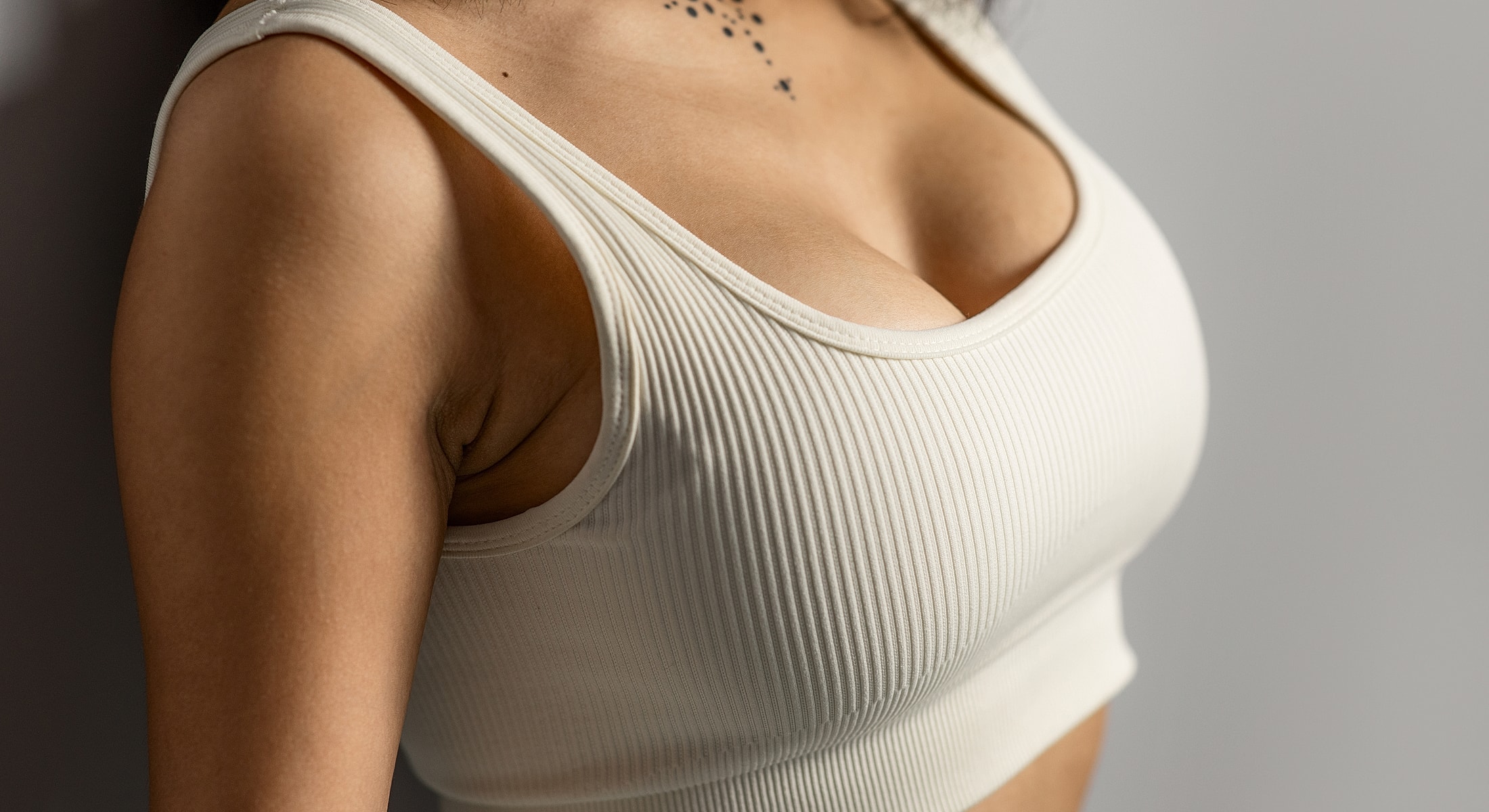
Breast implants can feel right for one stage of life and less fitting for the next. Perhaps your style has changed, your breasts feel heavier than you’d like, or an issue such as capsular contracture or implant rupture has made surgery necessary.
Dr. Jules Walters performs breast implant removal in New Orleans with close attention to how your breasts will look and feel once the implants are gone. He’ll help you sort through the options, explain what your natural breast tissue can support, and create a plan that feels true to where you are now.
A Fresh Start, Your Way
Breast implant removal is a surgical procedure that removes saline or silicone implants. Surgery may also involve the capsule, the scar tissue your body forms around an implant.
That capsule is often thin and causes no problems. It may need treatment if it becomes firm, painful, calcified, or distorted, as can happen with capsular contracture. Implant rupture, silicone leakage, and other complications may also influence how Dr. Walters approaches the capsule.
Some women have their breast implants removed without replacing them, while others exchange older implants for a smaller size or combine removal with a breast lift to address stretched skin. If you still enjoy having breast volume but want a different look, breast augmentation revision may make more sense.
Removing the implant changes volume, but it doesn’t tighten skin or lift breast tissue. When considering breast implant removal New Orleans patients may choose to combine the procedure with another treatment to address these changes.
A breast lift can remove excess skin, reshape the remaining tissue, and raise the nipple and areola. Fat transfer may restore a modest amount of softness without placing a new implant. Other women exchange their implants for a smaller pair that feels more proportionate to their current body.
You don’t have to decide before your consultation. Dr. Walters will show you what removal alone may produce and explain how each added option could change your breast shape, scars, and recovery.

Talk It Through With Someone Who Knows Breast Surgery
Your breast implant removal consultation is a chance to speak candidly about what’s prompting the change. Dr. Walters will ask about your original breast augmentation, current symptoms, implant records, previous surgeries, health history, and what you hope your breasts will look like after removal.
He’ll examine your implant position, breast skin, natural tissue, existing scars, and chest wall. Imaging may be requested if there are concerns about implant rupture or leakage.
From there, you’ll discuss the details that can shape your procedure: leaving healthy capsule tissue in place, performing a partial or total capsulectomy, replacing the implants, adding a breast lift, or using fat transfer. You’ll also review anesthesia, incisions, recovery, risks, and cost.
Unique Every Time
At our practice in New Orleans breast implant removal surgery is most often an outpatient procedure performed under general anesthesia. Dr. Walters can often use the existing incision in the inframammary fold beneath the breast, which avoids adding a scar in a new location.
After opening the implant pocket, he removes the implant and examines the surrounding tissue. If the implant has ruptured, he addresses accessible implant material and cleans the pocket as needed.
The capsule is handled according to its condition. Healthy scar tissue doesn’t always need to be removed. A partial or total capsulectomy may be appropriate when the capsule is hard, painful, calcified, or affected by rupture. Complete removal can add risk when scar tissue is attached to the ribs or chest wall, so Dr. Walters makes that recommendation based on the findings in your case.
Small drainage tubes may be placed to prevent fluid buildup. Once the incisions are closed, you’ll be fitted with a surgical or compression bra.
Many Reasons For Change
Some patients have a clear medical reason, such as capsular contracture, implant rupture, displacement, pain, or a visible change in breast shape. For others, the decision is personal. Their implants may feel too large, interfere with exercise, or no longer match how they want to look.
Pregnancy, weight changes, and aging can also affect the breasts around an implant. A size that once suited your frame may begin to feel heavy or sit differently as the surrounding tissues change.
Some women pursue removal because of broader health concerns they associate with their implants. Current research cannot promise that explant surgery will resolve systemic symptoms. Dr. Walters will take those concerns seriously, review what surgery can address, and give you clear information before you move forward.
Less Weight, More Choice
Removing the implants and treating abnormal scar tissue may ease firmness, pressure, tenderness, or pain related to capsular contracture and other implant complications.
Without implant volume, the breasts feel lighter and take up less space on the chest. Many patients find that clothing, workouts, and daily movement feel more comfortable afterward.
Implant removal allows Dr. Walters to remove a damaged implant and address accessible silicone or changes within the implant pocket.
You can remain implant-free, exchange your implants for a smaller size, or add a breast lift or fat transfer. The next step is yours.
Ready When You Are
You may be a good candidate for breast implant removal if you’re in stable health, understand that your breasts will change after removal, and feel ready to make that change. Common reasons include:
Nicotine use, active infection, and uncontrolled medical conditions can raise the risk of healing problems. Dr. Walters may recommend postponing surgery until those concerns have been addressed.
Give Your Body Time to Reset
Expect swelling, tenderness, tightness, and some discomfort during the first several days. Medication can help, while a compression bra supports the breasts as the tissues settle.
Many breast implant removal patients return to desk work and light routines within one to two weeks. Heavy lifting, upper-body workouts, and strenuous exercise usually remain off-limits for several weeks. A capsulectomy or breast lift may extend that timeline.
If drains are placed, the team will show you how to care for them until they’re ready for removal. Follow-up visits allow Dr. Walters to check your incisions, swelling, and breast shape before easing activity restrictions.

The MODERN Plastic Surgery Experience
You won’t be left trying to decode recovery instructions at home. The MODERN team will prepare you for what comes next and stay connected as you heal.
Your care may include:
Let the New Shape Take Shape
Your breasts will appear smaller as soon as the breast implants are removed, though swelling and temporary tissue changes can make the early shape hard to judge. The skin and breast tissue continue settling over the following weeks and months.
The final appearance depends on your implant size, skin elasticity, remaining tissue, capsule condition, and the length of time you had implants. Larger implants can leave more stretched skin or sagging. A breast lift can improve position and contour when removal alone may leave a flatter or looser shape.
Your breasts will continue to change with age, pregnancy, and weight fluctuation, even after the implants are gone.
An Aesthetic Point of View
Breast implant removal calls for equal attention to what’s being removed and what will remain. The capsule, implant pocket, chest wall, skin, and natural breast tissue all influence the surgical plan.
Dr. Jules Walters is board-certified in plastic surgery and general surgery, with extensive experience in breast augmentation, revision surgery, breast lifts, and breast reshaping. He’ll tell you when capsule removal makes sense, when a lift could improve your outcome, and when a simpler procedure may give you the change you want.
At the MODERN, the conversation stays open, honest, and focused on you. There’s no pressure to replace your implants or add another procedure. You’ll leave your consultation with a clear picture of your options and the confidence to choose from there.
Some patients are happy with removal alone. A breast lift may help if stretched skin, sagging, or a low nipple position affects the shape you want. Dr. Walters can explain both options during your consultation.
No. Partial or total capsulectomy may be recommended for hardened, painful, calcified, or abnormal scar tissue. A healthy capsule can often remain in place.
Yes. Ruptured saline and silicone implants can be removed. The surgical plan depends on the implant type, capsule condition, and location of any leaked silicone.
Some loss of upper-breast fullness is expected. Your natural tissue, skin elasticity, implant size, and time with implants will influence the amount of flattening or sagging. A lift or fat transfer may improve the shape.
Cost factors include anesthesia, facility fees, the complexity of removal, capsule treatment, implant rupture, and any lift or implant replacement performed at the same time. You’ll receive a custom quote after meeting with Dr. Walters.

Our Patients Say It Best
Read what real people have shared about their plastic surgery, cosmetic surgery, and medspa experiences at the MODERN Plastic Surgery & Medspa, from the results they achieved to the care they received along the way.